



product description

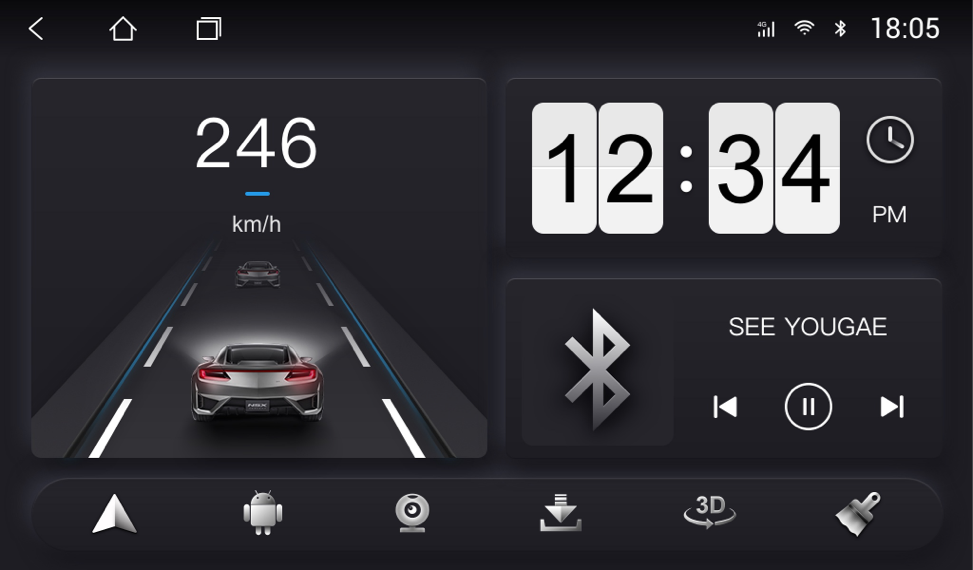
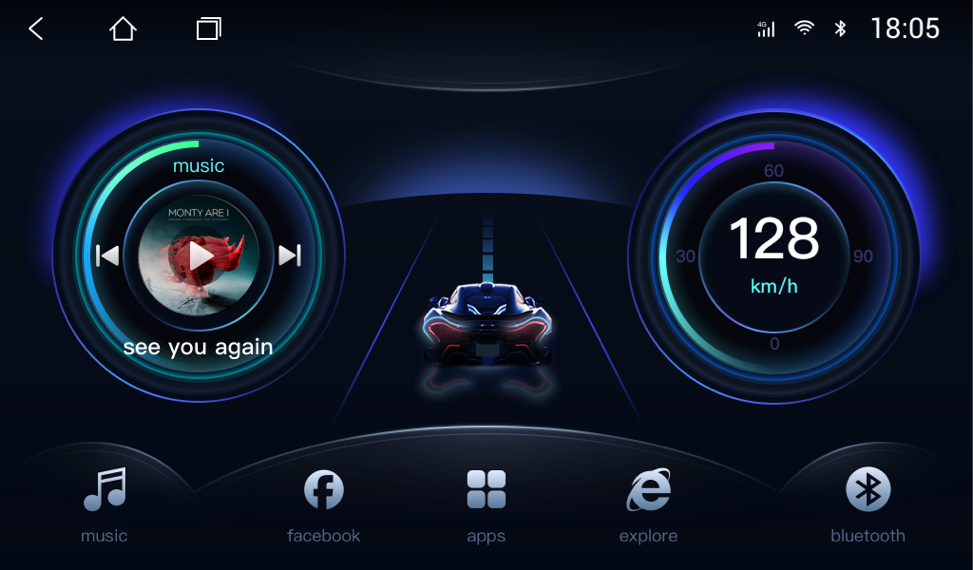
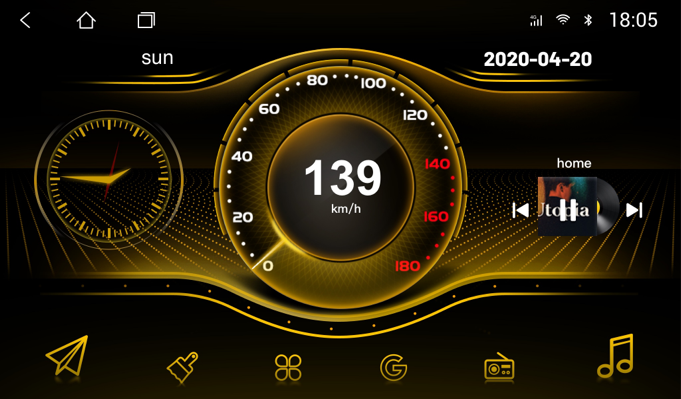
Not limited to a single theme framework, create 9 types of themes with different styles, there is always one that suits your taste!

Of course it's more than just looking good! When you drive on the road, you will find that the theme has rich dynamic effects, such as driving, instrumentation, ADAS, weather, etc., is it very interesting?

The shortcut icons on the desktop can be customized in style and function, and operate in the way you are used to!

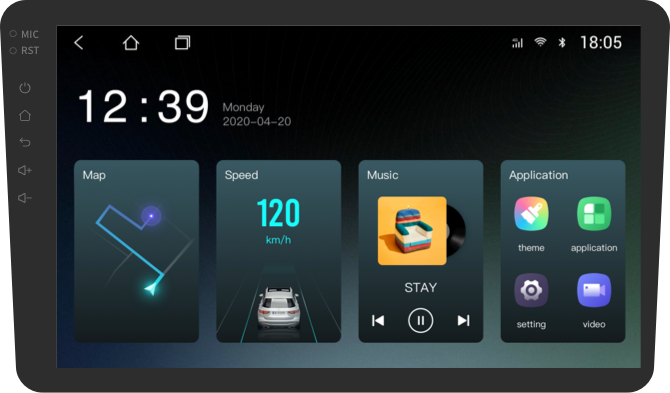
product description
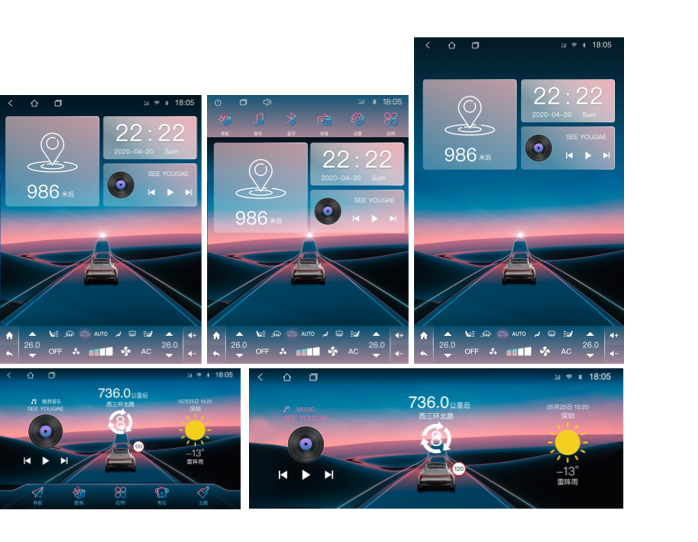
product description
Currently suitable resolutions are as follows:
Landscape contains: 1024x600、1024x768、1280x800、1280x480、2000x1200
Vertical screen includes: 768x1024、800x1280、1080x1920
If your car is different, it will use close resolution by default
Cars of Dingwei solution can use all the functions of the theme software, but some of the functions of cars of other solution providers are not available.

In addition to a single purchase, you can also


Router Scan v2.60 is a specialized network security tool designed to find and identify wireless routers and their associated vulnerabilities. While the software can be used for legitimate network auditing, "patched" or "skacat" versions found on third-party sites are often associated with high security risks. Overview of Router Scan v2.60
Originally developed by Stas'M, Router Scan is a tool that scans IP ranges to identify routers and extract useful information, such as wireless network names (SSIDs), keys (passwords), and hardware models. It typically utilizes various exploits and brute-force techniques to gain access to router administration panels. Key Features and Capabilities
Vulnerability Detection: Identifies routers with weak configurations or known security flaws.
Information Extraction: Capable of pulling sensitive data like Wi-Fi passwords and administration credentials if the device is insecure.
WPS/Brute-Force: Often used to test WPS PINs or default login credentials.
Mass IP Scanning: Allows users to scan entire blocks of IP addresses to find vulnerable devices globally. Critical Risks: The "Skacat" and "Patched" Versions
The term "skacat" (often a transliteration of the Russian word for "download") and "patched" usually refer to versions of the software modified by third parties.
Malware & Backdoors: Modified security tools are prime targets for injecting malware. Analysis reports for "Router-Scan-2.60" versions from unofficial sources often flag them as high-risk or malicious.
Legal & Ethical Concerns: Using this tool to access networks you do not own is illegal in most jurisdictions. It is frequently classified as "grayware" or a "hacking tool" by antivirus programs.
Antivirus Interference: Most modern security software will automatically quarantine Router Scan due to its behavior (scanning ports and attempting to exploit services). Safety Recommendations router scan 260 skacat patched
If you are using this for legitimate network testing, consider these safer alternatives:
Use Official Versions: If you must use it, only download from the developer's original repository to avoid third-party "patches."
Run in Isolated Environments: Always execute such tools inside a virtual machine (VM) or a dedicated "sandbox" to prevent potential malware from reaching your main system.
Audit Your Own Network: Instead of scanning others, check your own router for vulnerabilities by logging into your admin panel and ensuring your firmware is updated and default passwords are changed.
Are you looking to test your own home network's security, or are you trying to recover a lost Wi-Fi password?
Can my router catch a virus? Detect and remove router malware
Important Disclaimer: Router Scan is a network auditing tool often used by security professionals to identify vulnerabilities in SOHO routers. However, obtaining "patched," "cracked," or "leaked" versions of software from unofficial sources carries significant risks, including malware infection, data theft, and legal liabilities. Using this tool to scan networks you do not own or have explicit permission to test is illegal.
Here is a feature overview of Router Scan 2.60, specifically focusing on the capabilities that made the "patched" versions desirable for security researchers and the risks associated with them.
Router Scan 260, and tools like it, are powerful aids in network security and administration. The "Skacat patched" version represents a modification that could offer additional functionalities or fixes but also comes with its own set of considerations. As with any tool, especially those with potential security implications, it's vital to use them responsibly, ethically, and with a clear understanding of their capabilities and risks. Router Scan v2
Router Scan: This could refer to scanning for routers on a network, possibly to identify them for configuration, security audits, or exploitation attempts.
260: This might refer to a specific port or a version number related to software or a protocol.
Skacat: This term doesn't appear standard. It might be a misspelling or a term specific to a certain community or software.
Patched: In software and security contexts, "patched" refers to updating software to fix a security vulnerability or bug.
Given these components, here are a few possible texts or areas of information you might be seeking:
Security Patch Information: If you're looking for information on security patches for routers or specific software (maybe version 260?), you might be trying to protect against certain vulnerabilities.
Network Scanning Tools: If you're interested in scanning routers on a network, tools like Nmap (for network scanning) could be relevant.
Specific Vulnerability: If "Skacat" refers to a specific vulnerability or exploit and you're looking for patched versions of software or router firmware, more specific details would help in pinpointing the exact issue.
Here's a sample text based on a general interpretation: Router Scan : This could refer to scanning
"There's been an update regarding network security: a vulnerability in a widely used router model has been patched. This patch, version 260, addresses a previously exploitable weakness that allowed for unauthorized scans and access (often referred to as a 'router scan'). The vulnerability, sometimes coded as 'Skacat' in certain circles, has been mitigated in the latest firmware release. Users are advised to update their router firmware immediately to protect against potential threats."
If you could provide more context or clarify your query, I could offer more specific information.
Unlike older versions that focused primarily on HTTP/HTTPS, 2.60 integrates deeper protocol analysis.
The "skacat" or patched versions often unlock brute-forcing capabilities.
Router Scan (version 2.60) is a well‑known security auditing tool for embedded devices, often used to detect default credentials, configuration leaks, and known CVEs in routers, IP cameras, and IoT devices.
The term "skacat" likely refers to a specific exploit module, brute‑force profile, or post‑exploitation payload (possibly tied to a known vulnerability chain in certain router models, such as D‑Link, TP‑Link, or Zyxel).
When users say "skacat patched", it generally means:
skacat_patched).The "patched" versions of Router Scan 2.60 typically refer to iterations that bypass the original software protection or extend functionality that was previously restricted. Below are the key features found in this version:
nmap, hydra, medusa, routerpwn).Weekly update
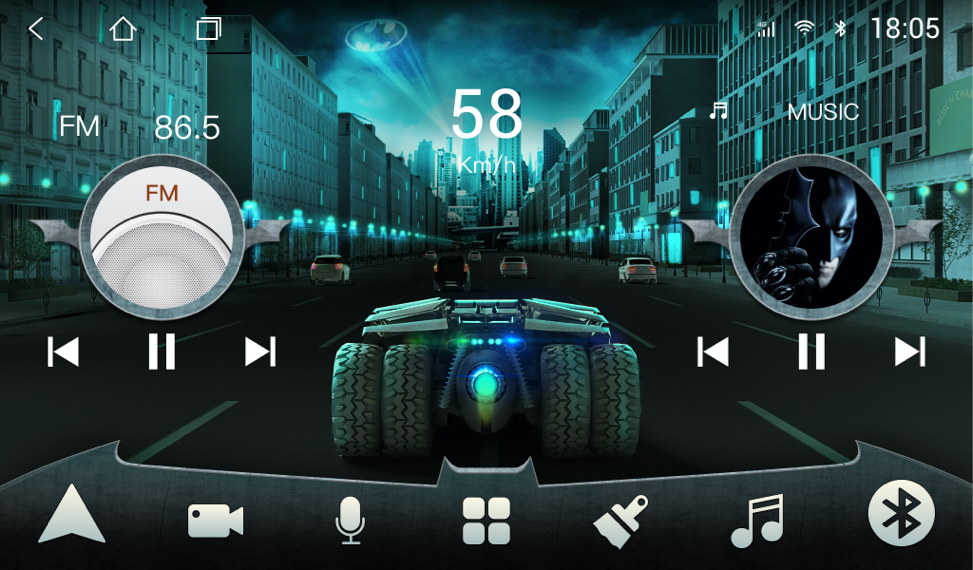
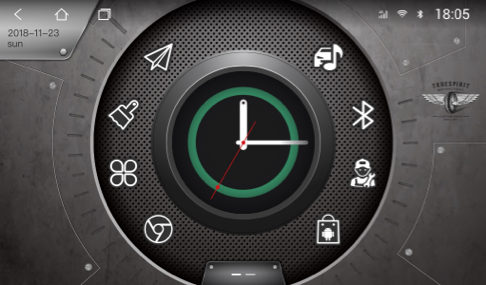


Please contact us
In addition to these FAQs, if you have more questions, youcan join our community by Telegram: https://t.me/carmateapp